Eco Stewardship
Discover how WAPS builds eco-conscious students through hands-on learning focused on protecting waterways and celebrating biodiversity.
Eco Stewardship @ WAPS: Protecting Waterways, Celebrating Biodiversity
Mission
To develop WAPS staff and students to
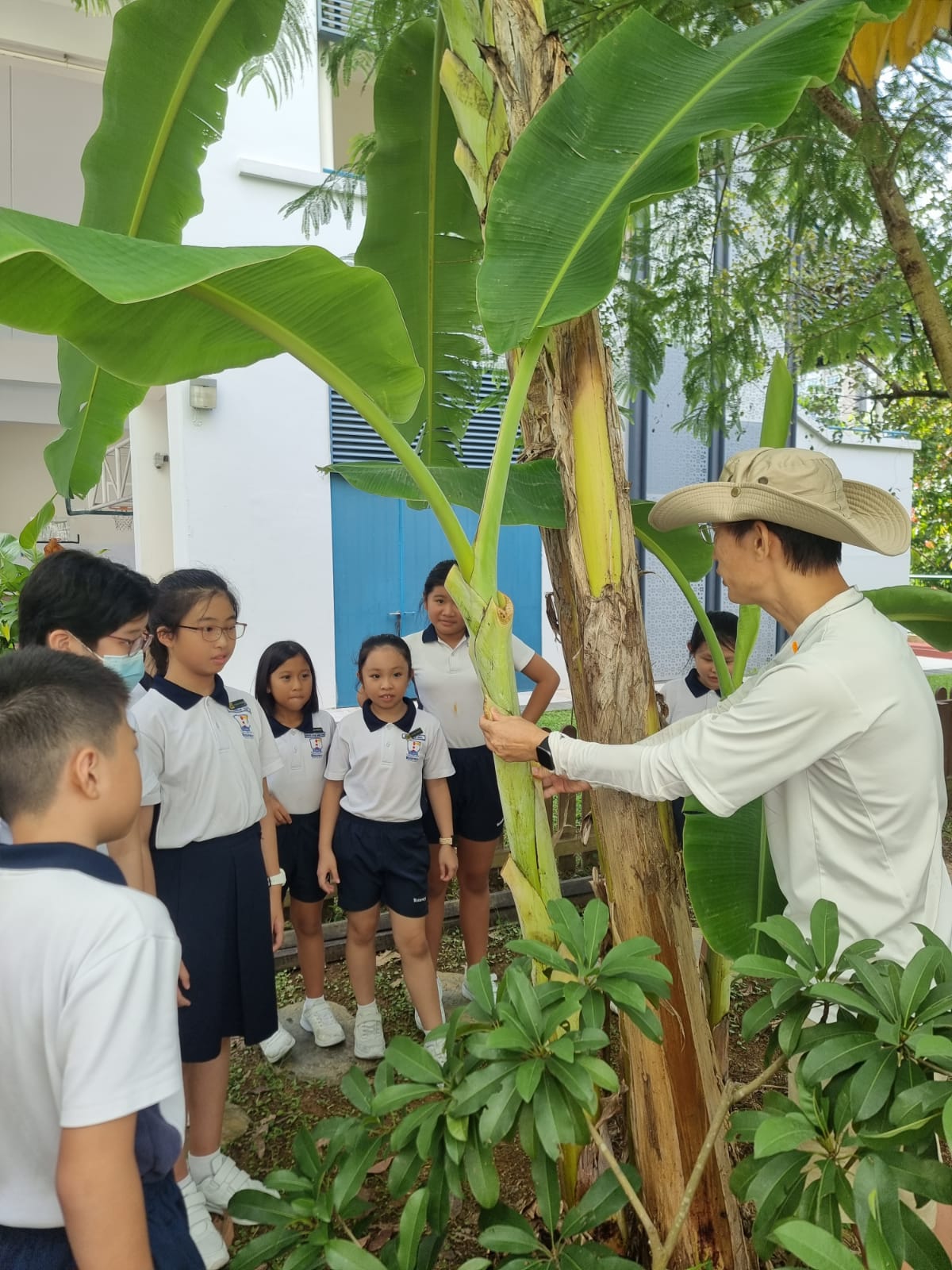
(1) possess a deep appreciation for nature,
(2) cultivate eco-consciousness, and
(3) take meaningful actions in furthering sustainability in the community.
Key Objectives
At the end of the six-year programme, students will be able to achieve the following objectives:
Knowledge
1. Recognize how humans rely on the environment for resources
2. Understand the relationship between people and the environment
3. Understand how individual actions can impact the environment around him/her
Skills
4. Develop the 21st Century Competencies of Critical, Adaptive and Inventive Thinking by being able to
o Evaluate multiple sources and viewpoints to make well-informed, evidence-based decisions
o Contribute solutions to complex and contemporary environmental issues
Values
5. Develop qualities of a Concerned Citizen & Active Contributor
o Develop a sense of wonder, appreciation and care for the environment
o Develop agency for collective actions to promote sustainable living in the community
Theme & Approach
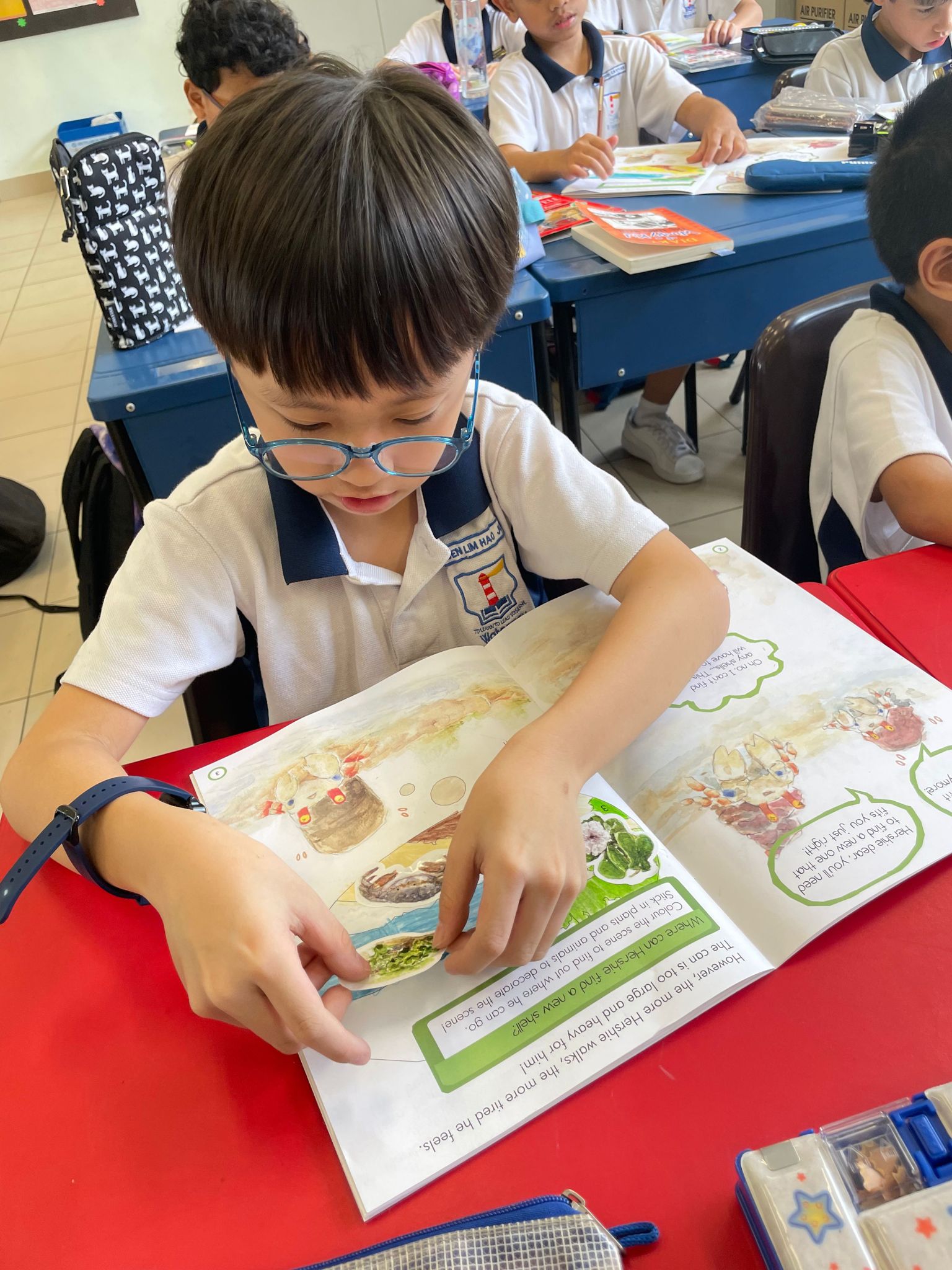
The mission will be achieved through awareness building, providing platforms for advocacy and authentic learning experiences.
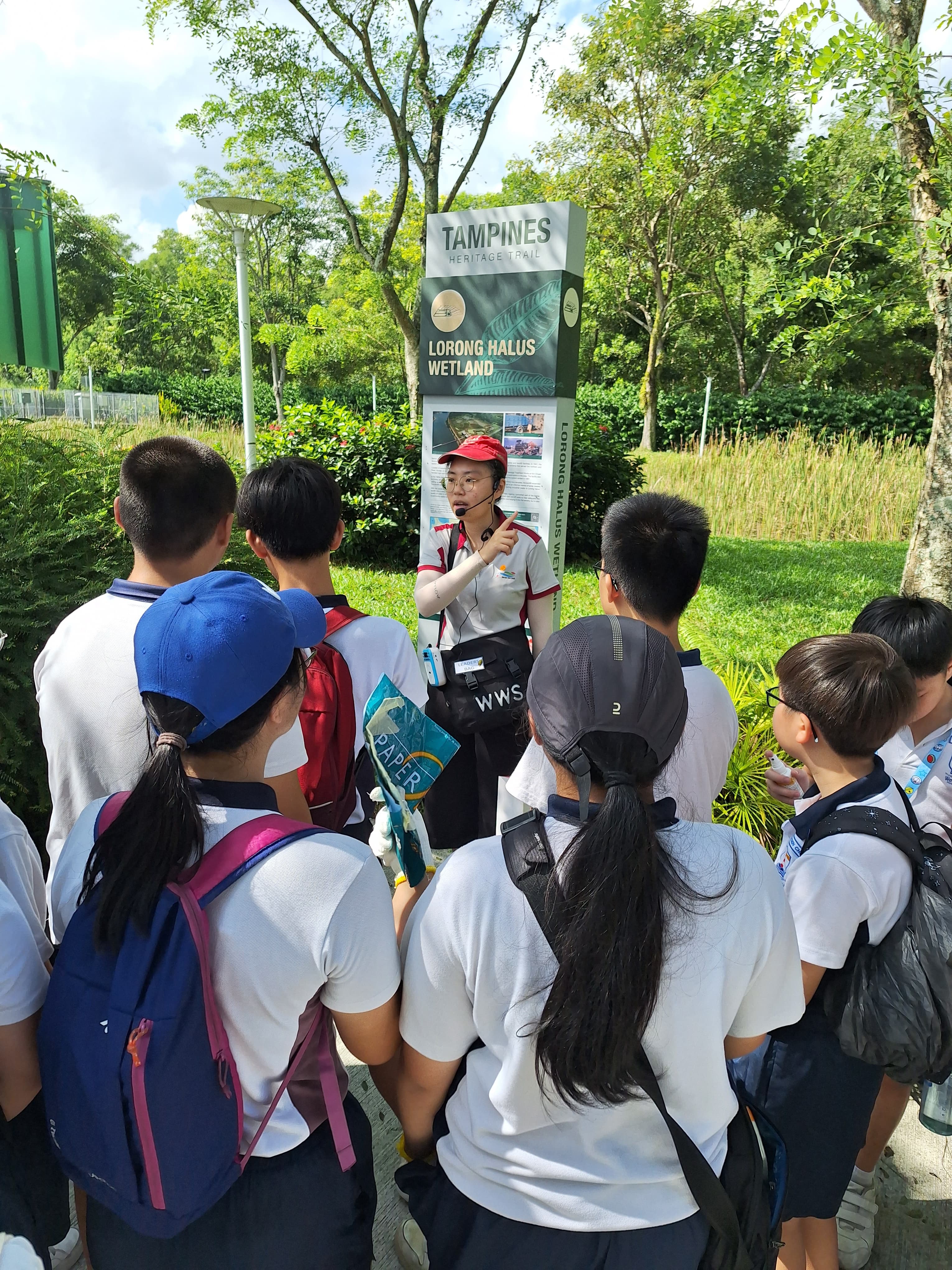
Eco Stewardship @ WAPS’ theme – Protecting Waterways, Celebrating Biodiversity is inspired by Punggol Town’s unique agricultural heritage and Waterfront Eco-Town identity. Building on our town’s heritage and identity, our programme has a unique focus on water and biodiversity conservation. Through classroom lessons, school activities and outdoor learning experiences, our students will learn and be given opportunities to,
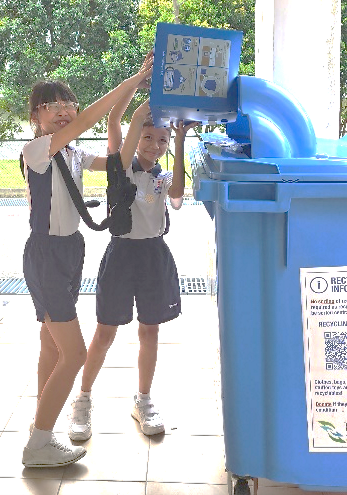
1) Conserve and protect water resources
2) Conserve and promote biodiversity
The programme also on the school’s Growth & Benefit Mindset (GBM) programme. It provides platforms for students to develop and practice applying the growth and benefit mindset that they have acquired through GBM lessons.
Besides engaging students in school, the programme seeks to involve all its stakeholders (i.e. staff, parents and community partners) in developing and enhancing the 4Cs:
· Curriculum - Infuse lessons on sustainability into current school curriculum
· Campus - Enhance campus with sustainability features
· Culture - Promote and encourage sustainable habits and practices
· Community - Leverage community partners to provide students with authentic learning partnership opportunities
The programme adopts a 3-tiered approach to raise awareness, encourage actions and advocacy.
· Tier 1 focuses on promoting school-wide approaches to sustainability
· Tier 2 focuses on level-specific sustainability programmes
· Tier 3 focuses on developing students ambassadors who will champion our sustainability programmes