
Enrichment and Academic Support
Explore how our after-school enrichment programmes help P5 and P6 students build key skills through STEM, arts, journalism, and more.
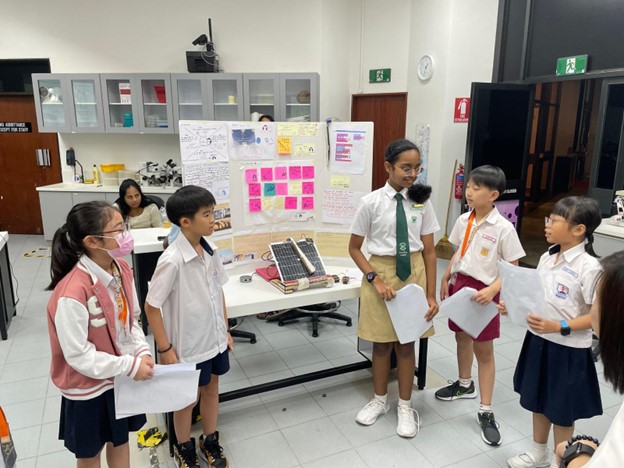
After school, students delve into an area of their interest for their Targeted Enrichment (TEP) and Elective Enrichment (EEP) programmes! These initiatives are carefully crafted to complement and elevate our students’ holistic learning, offering a rich tapestry of activities designed to spark curiosity, foster skills development, and expand horizons beyond the traditional classroom setting. From immersive STEM projects to dynamic creative arts workshops, language exploration sessions, and thought-provoking critical thinking classes, our programmes provide a diverse array of opportunities for students to explore and excel in their areas of interest and expertise.
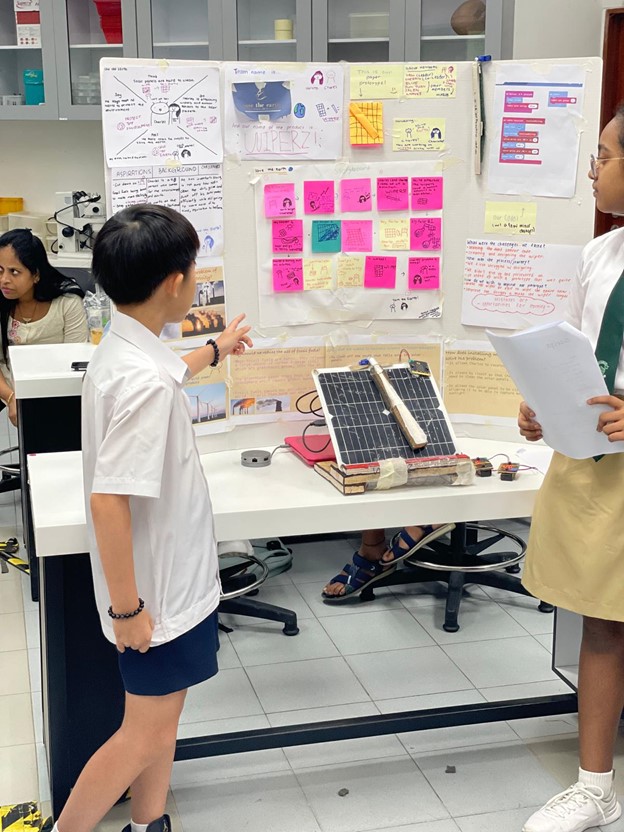
Enrichment Programmes
Enrichment programmes offer students a dynamic and enriching learning environment that extends beyond the boundaries of traditional classroom instruction. By fostering creativity, promoting lifelong learning, developing critical skills, supporting diverse learning styles, and building confidence, these programmes aim to enhance students' overall educational experience and prepares them for the future with valuable skills and knowledge.
Enrichment programmes play a vital role in enhancing students' learning experiences in several ways:
Fostering Creativity and Innovation:
Through hands-on, interactive activities such as art projects, science experiments, and collaborative challenges, students are encouraged to think creatively, solve problems, and innovate.
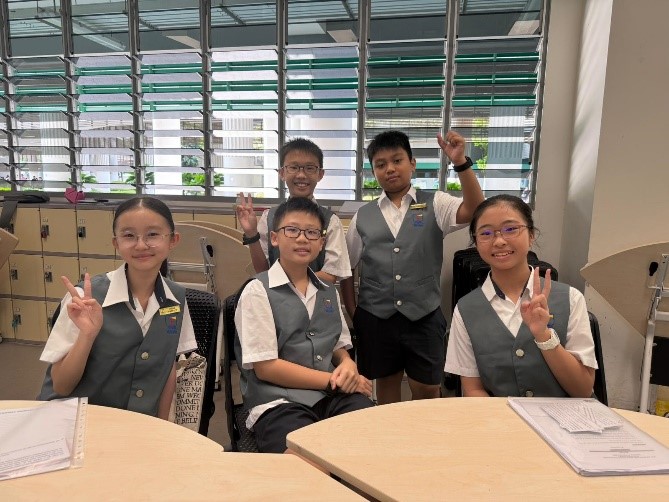
Promoting Lifelong Learning:
Enrichment programmes instill a love for learning and encourage students to pursue interests outside of the core curriculum. By exposing students to new ideas, concepts and experiences, these programmes nurture a lifelong curiosity and passion for knowledge.
Developing Critical Skills:
Many enrichment activities focus on developing essential skills such as communication, collaboration, critical thinking, and problem-solving. These skills are invaluable for success in both academic and real-world settings, empowering students to navigate challenges and adapt to new situations with confidence.
Supporting Diverse Learning Styles:
Every student has unique interests, strengths, and learning styles. Enrichment programmes provide opportunities for differentiated instruction, allowing students to explore subjects in ways that resonate with their individual preferences and abilities.
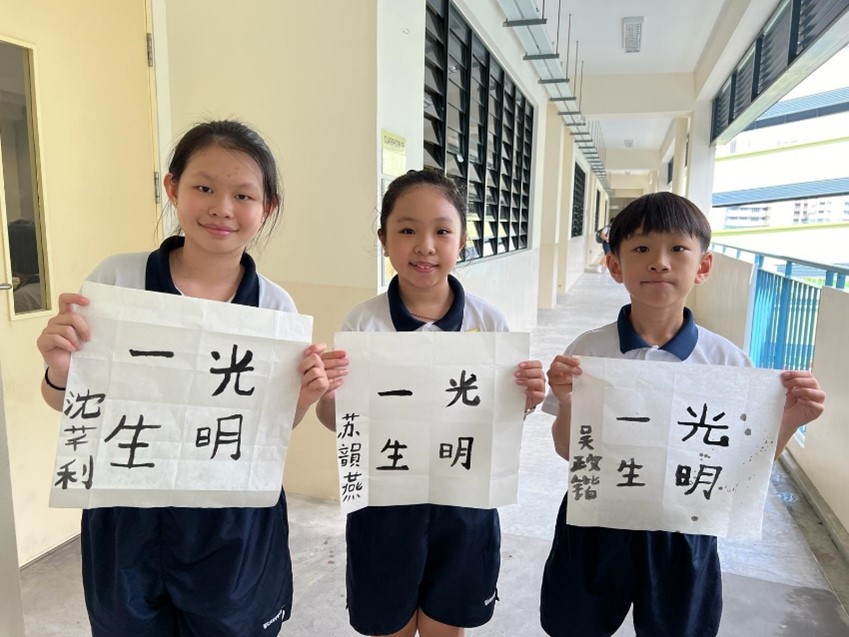
Building Confidence and Self-Esteem:
Participating in enrichment activities enables students to set goals, overcome challenges, and achieve success in areas of personal interest. As students develop new skills and accomplish tasks outside of their comfort zones, they gain confidence in their abilities and build a positive sense of self-esteem.
In essence, enrichment programmes serve as a vehicle for advancing 21st-century competencies by providing students with experiential learning opportunities, fostering innovation and creativity, and preparing them to thrive in a rapidly evolving global society.
Various TEP and EEP offered
Targeted Enrichment (TEP) – P5 and P6 students are shortlisted and invited to be part of one of the following programme. • Debate (EL) | Elective Enrichment (EEP) – P5 and P6 students are provided the choice to opt for an elective of their choice Offerings for 2024: |
Teaching Approaches
Socratic Method:
Teachers may employ the Socratic method, asking probing questions to stimulate critical thinking and encourage students to articulate their ideas and opinions.
Inquiry-Based Learning:
Students are encouraged to ask questions, explore topics of interest, and conduct investigations to uncover answers. Teachers serve as facilitators, guiding students through the inquiry process.
Experiential Learning:
Enrichment programmes often prioritize experiential learning, allowing students to learn through direct experience and hands-on activities rather than passive instruction.
Collaborative Learning:
Group work and collaborative projects are common in enrichment programmes, promoting teamwork, communication, and problem-solving skills.
Flexible Learning Environment:
Enrichment programmes may offer a more flexible learning environment compared to traditional classrooms, allowing for greater autonomy and self-directed learning.
Use of Technology:
Technology is often integrated into the curriculum to enhance learning experiences, facilitate research, and promote digital literacy skills.
Future Plans
As an extension of the after-school programmes, students will be given options to deepen their learning in the current module they are taking, in the following year. In addition, the after-school elective enrichment modules will be refreshed to offer new choices for students every 2 years.
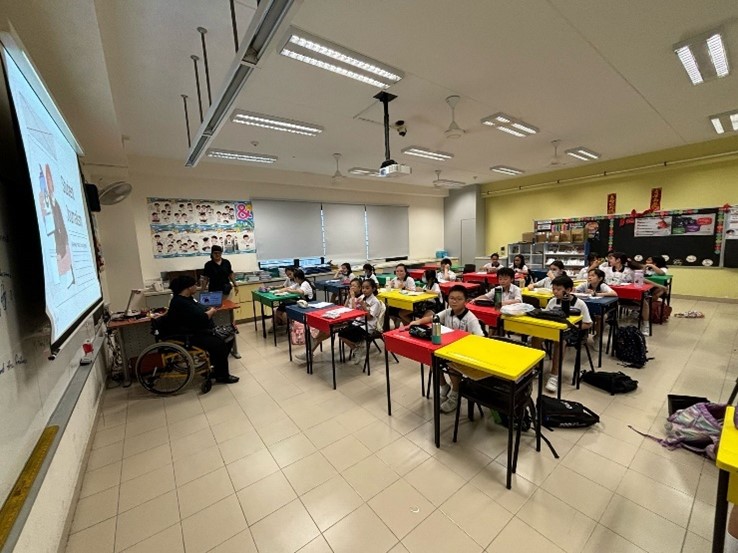
Student Journalism
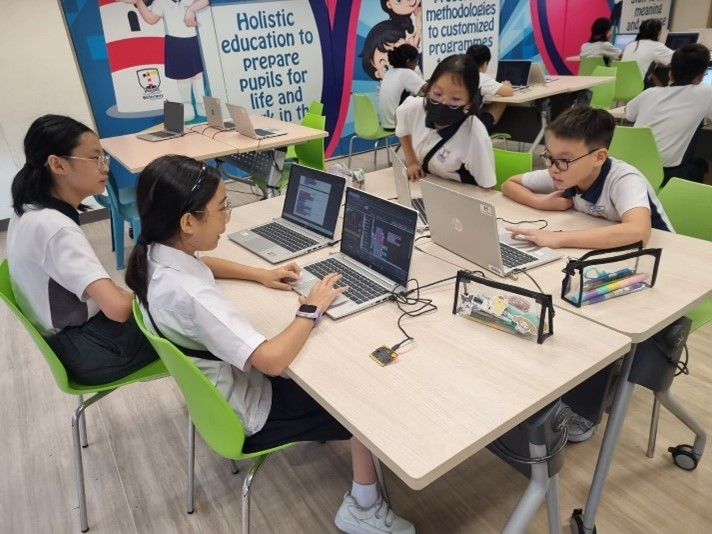
STEM
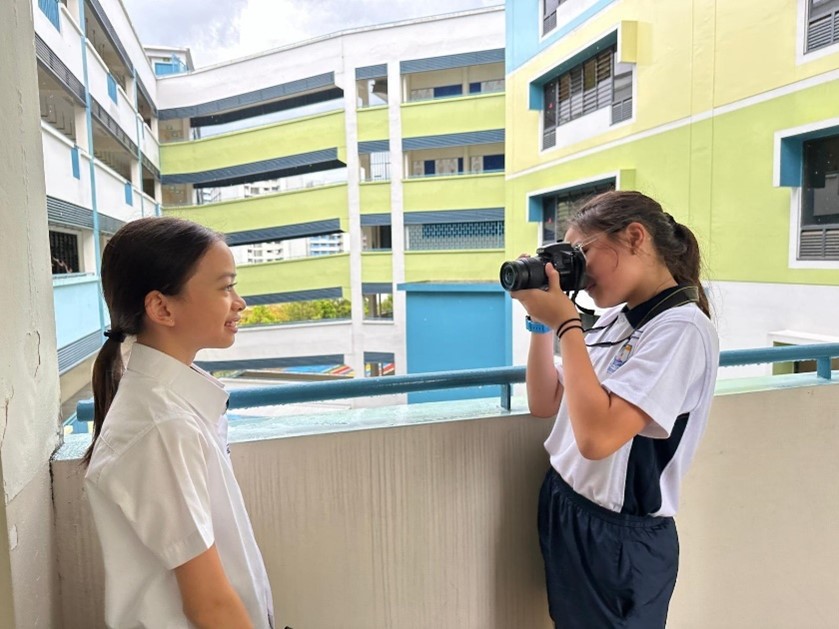
Photography
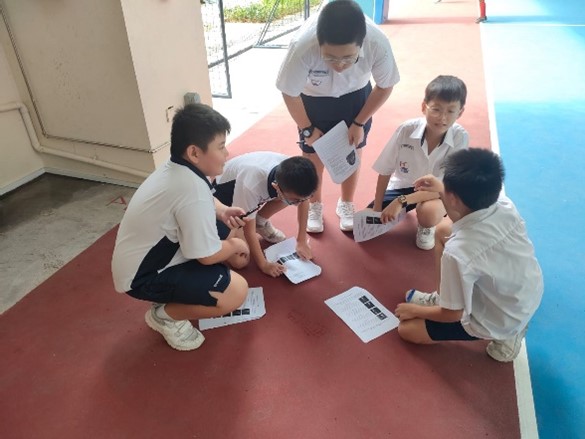
Neighbourhood Navigators (Makers @WAPS)
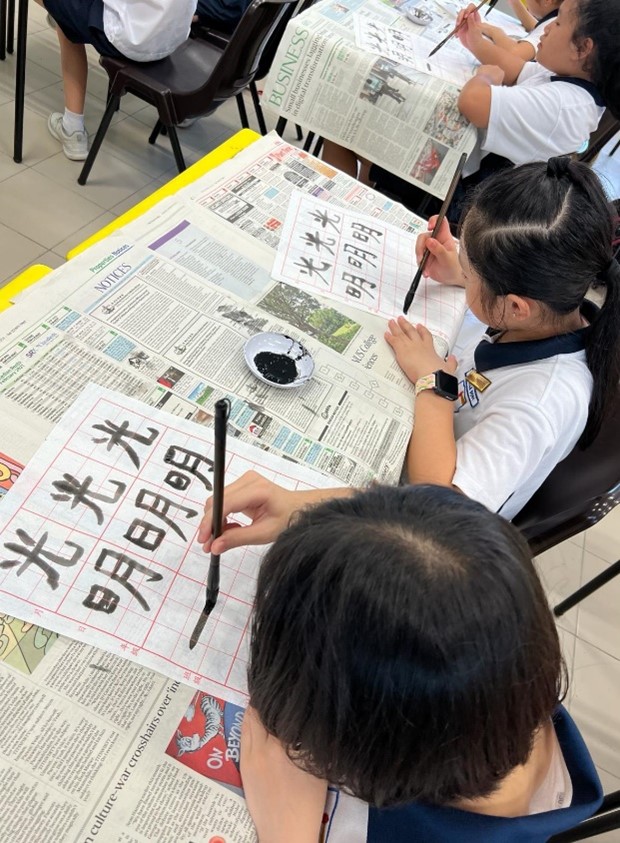
Calligraphy
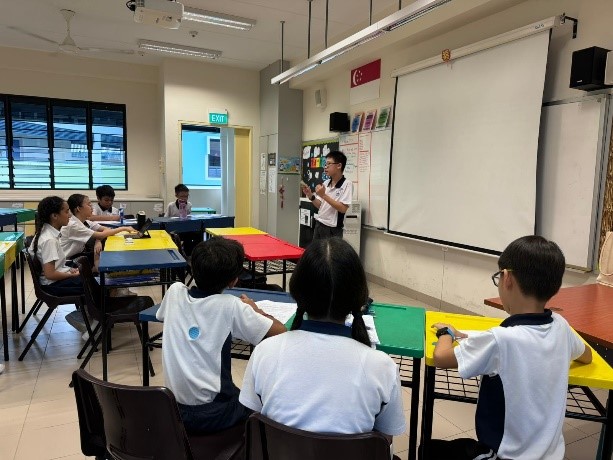
Debate (EL)
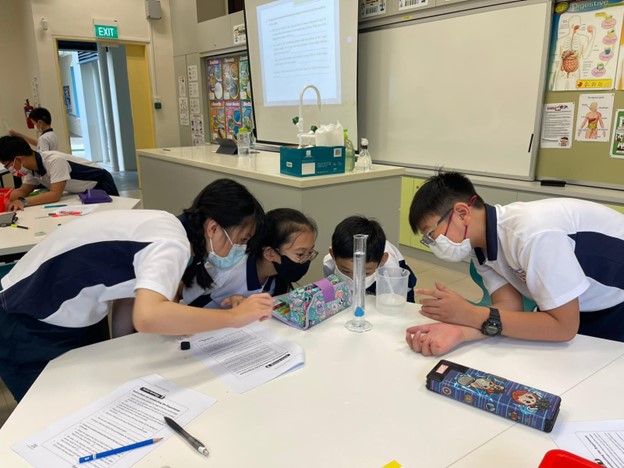
E2K Science